 ATUKORALE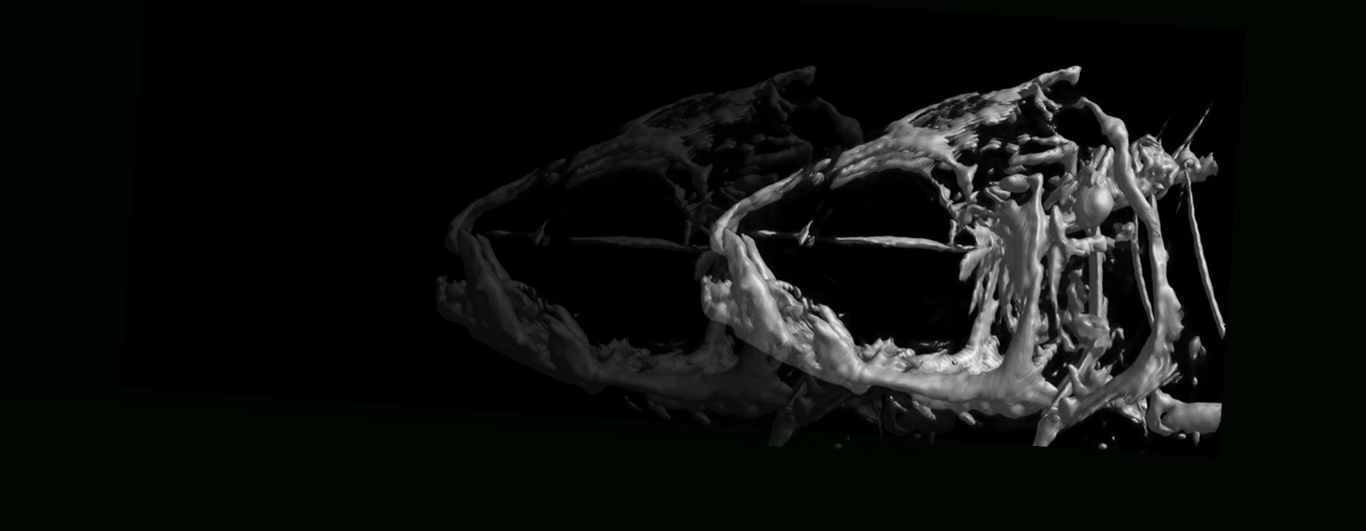
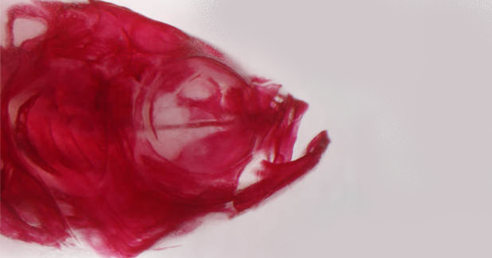
Development of the Jaw Bones
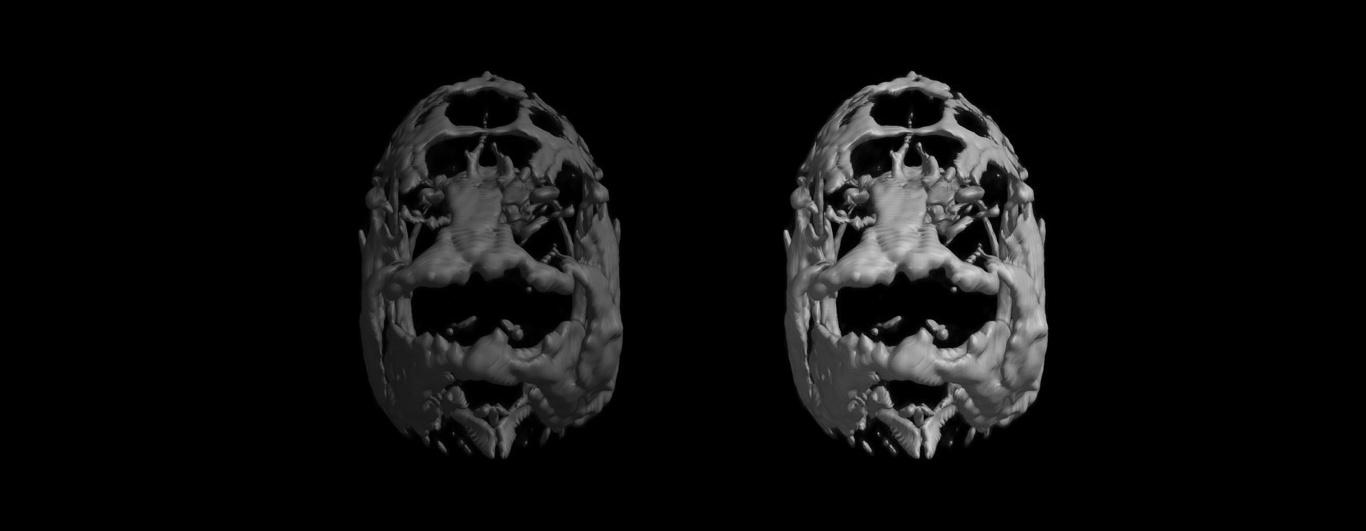
Cleft lip and/or cleft palate (CLP) is one of the most common birth defects. Epigenetic factors and gene mutations can cause disturbances in neural crest cell activities which can lead to CLP.
View MoreThe University of Manitoba campuses are situated on Treaty 1 territory, the traditional lands of the Anishinaabeg, Cree, Oji-Cree, Dakota, and Dene peoples, and the historic homeland of the Métis Nation. I respect the Treaties that were made on these territories, I acknowledge the harms and mistakes of the past, and I dedicate myself to move forward in partnership with Indigenous communities in a spirit of reconciliation and collaboration.
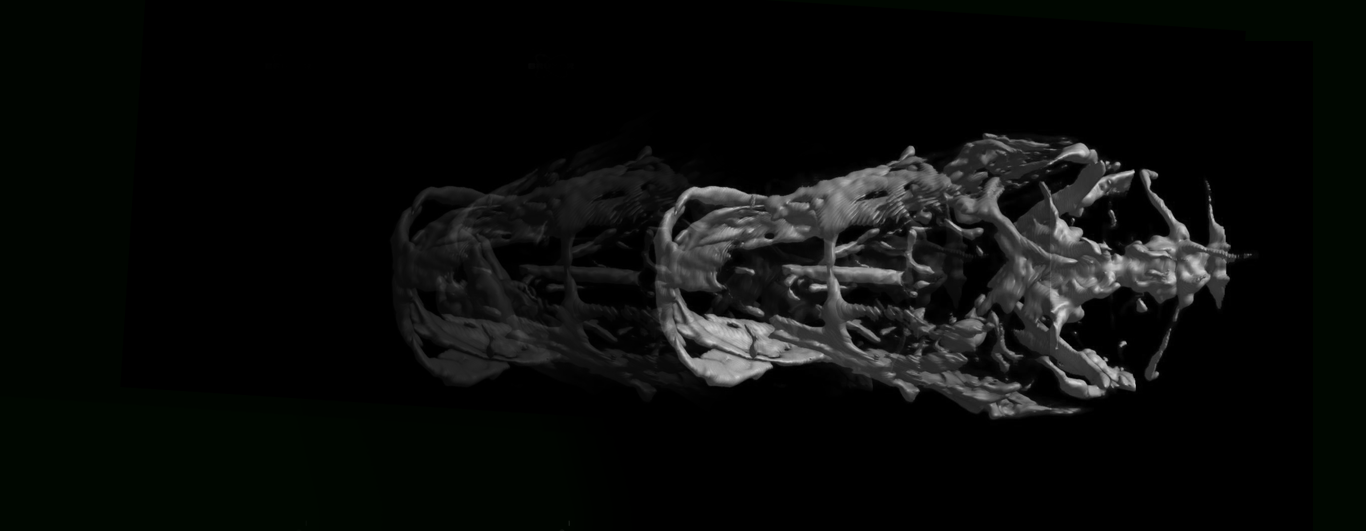
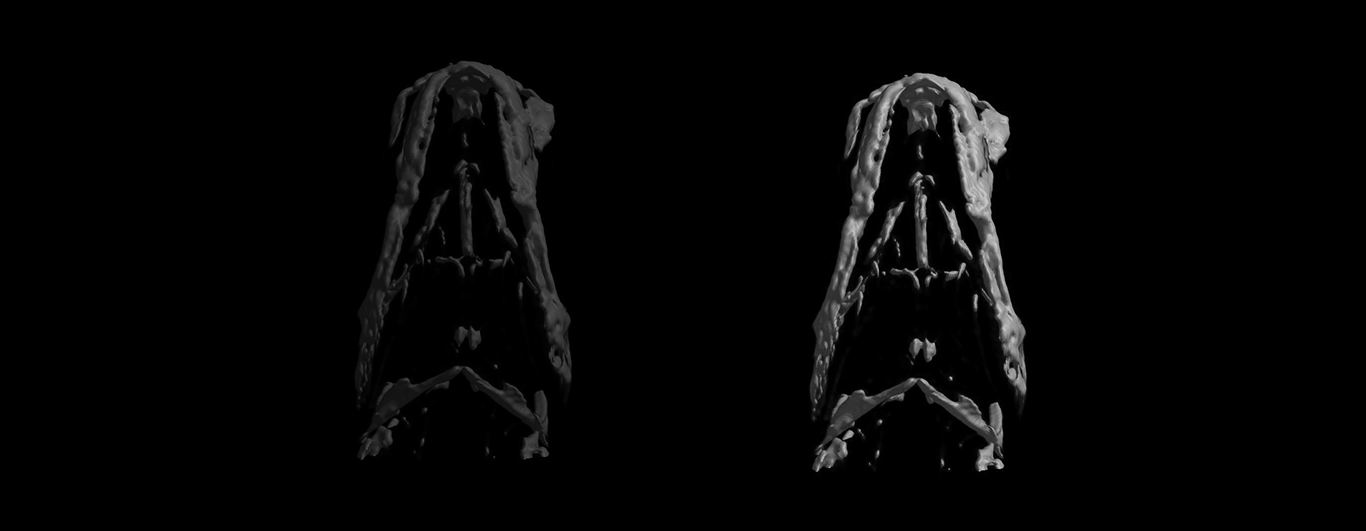
Our lab focuses on the craniofacial development. Taking teleost fish, such as zebrafish (Danio rerio) and Mexican tetra fish (Astyanax mexicanus) as model animals, we study the evolutionary development of the dentition, sensory systems, and jaw bones. Formation of these structures involve complex interactions and we are interested in finding the molecular signaling pathways which regulate their development. This research addresses the questions related to the human congenital malformations and conserved mechanisms of head development.
Cleft lip and/or cleft palate (CLP) is one of the most common birth defects. Epigenetic factors and gene mutations can cause disturbances in neural crest cell activities which can lead to CLP.
View More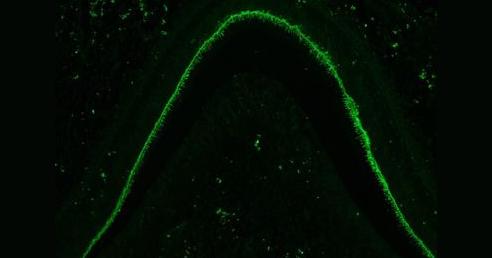
We are interested in identifying genes and signaling pathways which control tooth development. Under this we are investigating
View More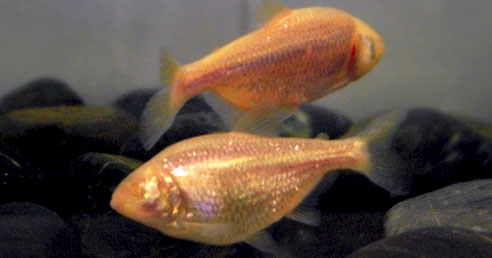
In fish, the chemosensory system is highly developed and very important for a wide range of activities like navigation, mate recognition, and food searching.
View More

Founded in 1877, the University of Manitoba has a rich history in research discovery and innovation, and teaching excellence. Located in the heart of Canada, the University of Manitoba is home to internationally renowned research, and leading Canadian health professional programs